Visit the official setup page
Open Trezor.io/start by typing the address directly into your browser. Check the spelling carefully and use a secure connection before you continue.
Your keys. Your crypto. Your call. Set up your hardware wallet with confidence and make security part of every move.
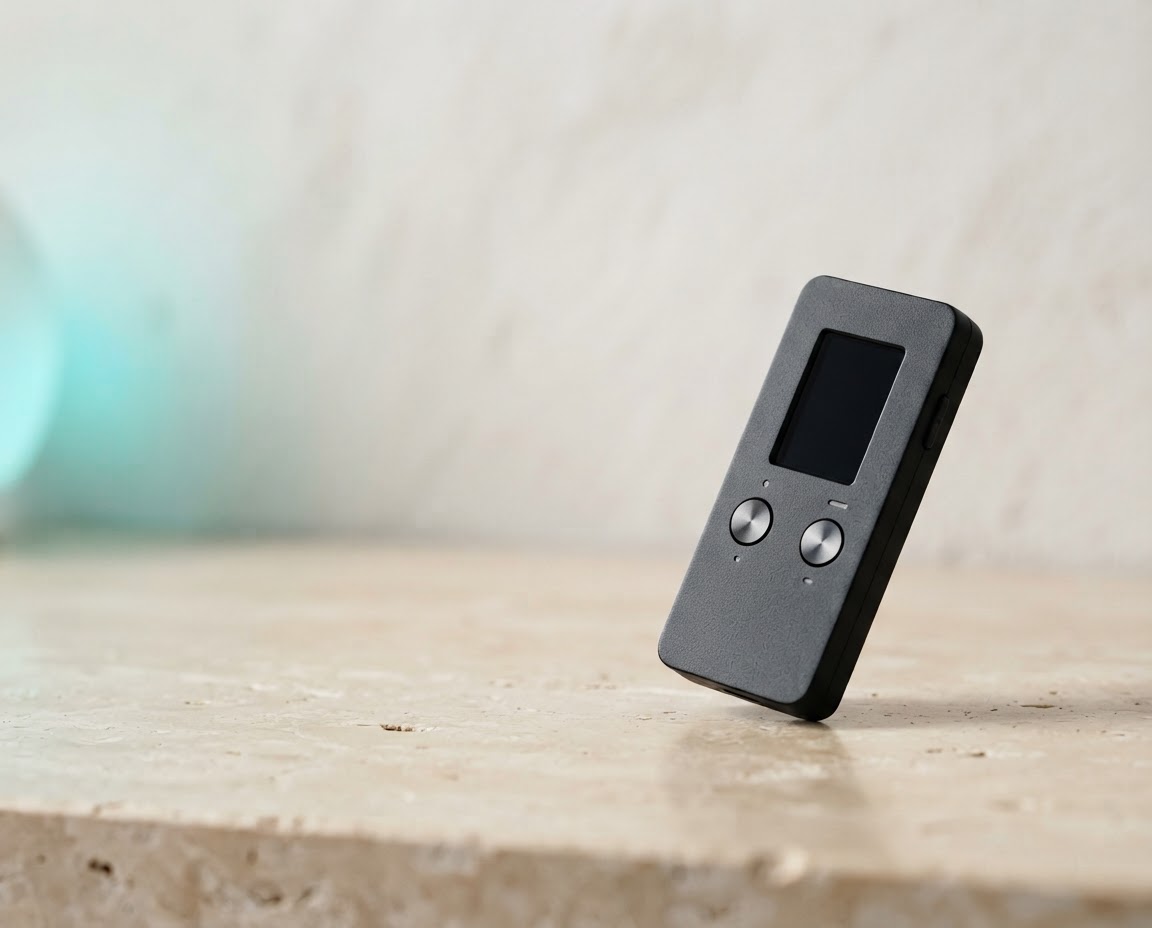
Getting started is straightforward. Take your time, follow each step, and only trust instructions shown on official Trezor channels and your device.
Open Trezor.io/start by typing the address directly into your browser. Check the spelling carefully and use a secure connection before you continue.
Use the USB cable supplied with your hardware wallet. Keep the device close by and follow the instructions displayed on its screen.
Download the companion app from the official Trezor website for desktop or use the supported web experience. Avoid downloads from third-party links.
Choose whether to create a new wallet or recover an existing one. Confirm important actions on the device itself and store your recovery seed offline.
Open the Trezor setup page in a new tab and follow the instructions for your specific device.
A hardware wallet helps protect access to your digital assets, but good habits are essential. Your recovery seed is the master backup to your wallet. Anyone who gets it may be able to access your funds, so treat it like the keys to your home.
Trezor support will never ask you to reveal it.
Keep it somewhere private, protected, and separate from your device.
Check transaction details on your Trezor screen before confirming.
Trezor.io/start is the official starting point for setting up a Trezor hardware wallet. It guides new users through connecting a device, getting the right wallet software, and learning the essential steps for protecting digital assets. If you have just unboxed a Trezor, this is the place to begin: follow the instructions that match your model and take a moment to verify that you are on the genuine Trezor website.
A hardware wallet is designed to keep your private keys isolated from internet-connected devices. Your keys are what authorize access to cryptocurrency, so keeping them under your control is central to self-custody. During setup, the device helps you create or access a wallet and approve important actions. Trezor Suite is the companion interface for managing supported assets and reviewing activity. Always download software through official Trezor channels, and make sure your device is connected directly and securely.
For a new wallet, you will be guided through creating a recovery seed. This backup is critically important: write it down exactly as instructed and store it offline in a private, secure location. Never photograph it, save it in cloud storage, type it into a website, or share it with anyone. A legitimate support representative will never need your seed. If you are recovering an existing wallet, only enter recovery information using the process shown on your Trezor device. Be alert to fake setup pages, sponsored search results, unsolicited messages, and links that imitate the official address.
After setup, explore the software at your own pace. Confirm receive addresses on the device display, review transaction details before approving them, and keep your firmware and companion software current using official instructions. A hardware wallet can strengthen your security, but it cannot prevent every mistake or protect funds if your recovery seed is exposed. Build careful habits from the beginning: use a trusted computer, lock down your backup, and pause whenever a request feels unusual.
In short, Trezor.io/start helps make the first steps clear, while you remain responsible for safeguarding your recovery information and approving transactions. Start from the address you typed yourself, follow the on-screen guidance, and consult official Trezor support resources if you need help. A few careful minutes at the beginning can establish a stronger foundation for managing your crypto with confidence.
Before you start, set aside a quiet moment and make sure you have the correct device cable and a reliable internet connection. Read each screen instead of rushing through prompts, and never let another person handle your recovery words. If an unexpected pop-up, email, or social media message urges you to act quickly, stop and verify the request independently. Bookmarking the genuine help center can make future questions easier to resolve without following an unknown link.
Remember that cryptocurrency transactions are generally irreversible, so carefully check the asset, address, and amount shown on your hardware wallet before you confirm. Make a small test transaction when appropriate, and understand network fees before sending larger amounts. The official setup guide is a starting resource, not a substitute for your own careful review. With a verified setup, a protected offline backup, and deliberate transaction checks, you can make self-custody a more informed part of your digital life.
Use the Trezor setup page reached by entering trezor.io/start directly in your browser. Check the domain spelling and secure connection before downloading anything.
It is a set of words that acts as a backup to restore wallet access. Keep it private and offline. Anyone with your seed may be able to control the associated assets.
No. Never disclose your recovery seed to anyone, including someone claiming to be support. Be suspicious of unsolicited messages and requests to enter the seed on a website.
Choose the recovery or existing-wallet path described in the official instructions. Follow your device prompts carefully and do not enter recovery information into an unverified page.